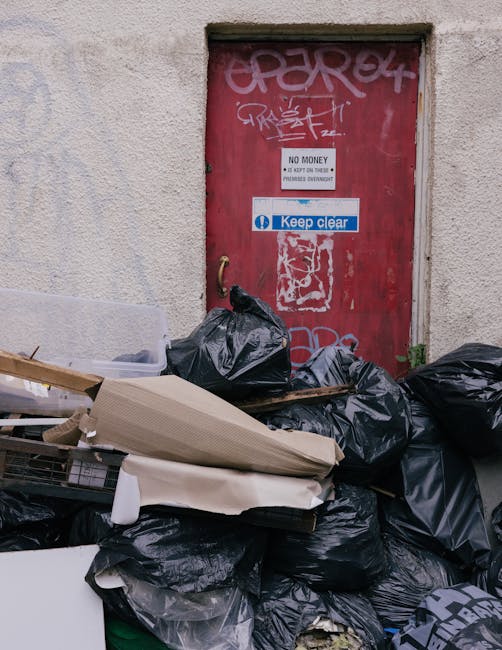
Waste Clearance in London
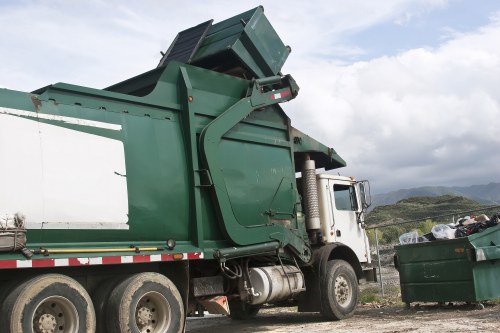
Waste clearance in London should be straightforward, tidy and handled with care for the property, the items and the final destination of the load. We clear domestic and commercial waste, from one-off bulky items through to fuller property clearances, and we aim to make the process clear from the start. The service is built around practical removal, sensible sorting and responsible disposal, so customers know what is being taken away and how the work is managed.
Our work covers a broad range of clearance needs, including waste clearance, rubbish removal and waste collection, together with larger clearances where several items or rooms need attention. That can include household clutter, office contents, furniture, appliances and mixed waste that has built up over time. The right approach depends on access, the type of material and how much can be reused, recycled or sent for disposal.
For many customers, the main value is having one clear route for removal rather than juggling several separate services. We keep the scope practical: loading, moving, sorting and getting the waste to the appropriate outlet. If you are comparing options, start with the items you need gone, then decide whether you need a simple collection or a more complete clearance. A brief enquiry is often enough to begin.
Domestic waste and household clearance
Homes generate waste in very different ways, so household clearance needs to be flexible. A single mattress, an old sofa, a pile of broken items from a loft, or a full room of mixed belongings all call for slightly different handling. Our domestic work is organised to deal with these variations without creating unnecessary disruption. Where sorting is needed, we separate what can be reused or recycled from material that must be disposed of.
For domestic customers, useful related pages include house clearance, home clearance and flat clearance. These services suit different property types and levels of volume, from compact apartments to larger family homes. We also handle single-item removal through pages such as large item collection and bulky waste collection, which are helpful when the job is limited to one or two awkward objects rather than an entire property.
Tell us what needs removing, how it is stored and whether there are stairs, tight halls or access restrictions. That kind of detail makes it easier to shape the clearance correctly. If you are ready to compare options, a clear written quotation is usually the best next step, and you can request one once you know the mix of items and the level of work involved.
Furniture, appliances and heavier items

Heavy items need more than muscle. Sofas, wardrobes, beds, fridges and washing machines can be difficult to move safely through standard domestic spaces, especially when doors, lifts or stairwells leave little room to manoeuvre. The right clearance plan considers the item’s size, weight, condition and route out of the property. That keeps the work controlled and helps avoid damage to walls, flooring or fittings.
We offer targeted removal pages for common bulky items, including furniture clearance, sofa removal and collection, mattress removal and collection, fridge disposal and white goods recycle. These pages reflect different item types and different handling needs. A sofa may simply need lifting and loading, while a fridge or freezer may need more careful disposal arrangements because of the materials and components involved.
Where several items are being cleared together, the best approach is often to group them into one removal rather than treating each item in isolation. That reduces repeated handling and helps keep the work orderly. If you are unsure which service fits, the most useful first step is to list the main items and separate any large, delicate or electrical pieces from general waste before you ask for a quotation.
Property clearances for rooms, lofts and garages
Some jobs are less about one category of waste and more about a space that has accumulated mixed contents. Lofts, garages and outbuildings often contain a blend of boxed possessions, broken household goods, older furniture, bags of rubbish and items that need careful lifting down narrow access routes. Property clearance in these settings is usually about moving methodically, working through the area and making sure the final load is sensible and safe to remove.
Relevant services include loft clearance, garage clearance, property clearance and rubbish clearance. Each has a slightly different purpose. A loft clearance may be limited by hatch size and headroom, while garage clearance can involve heavier, dustier or more weathered contents. Property clearance is the broader option when a mixed set of items from several rooms needs to be taken away together.
When planning this kind of work, it helps to think about what can stay, what should be taken away and what is fragile or particularly awkward. Good preparation is not about making the space perfect; it is simply about giving a realistic picture of the job. If there are access limits, shared entrances or items needing extra care, mention them early so the clearance can be arranged properly.
Commercial waste and office clearance

Business waste has its own rhythm. Offices, shops, studios and other commercial premises often need clearances tied to refurbishments, relocations, changes in layout or the removal of obsolete furnishings and equipment. In commercial spaces, a well-managed clearance needs to respect access times, building rules and the practical need to keep the site orderly while work is carried out. The aim is to remove unwanted material efficiently and leave the premises ready for the next stage.
Commercial customers can look at business waste removal, commercial waste collection, commercial waste disposal, office clearance and office clearances. These pages cover the business side of the service from different angles, whether the need is regular removal of unwanted material or a one-off emptying of desks, chairs, storage and general office contents.
We can support a staged clearance where the work needs to be split into sections rather than completed all at once. That is particularly useful when staff still occupy part of the building or when certain fixtures and records must remain in place. For a quotation, the most helpful information is the type of premises, the amount to be removed and any access or timing restrictions that affect the job.
Household and probate clearances
Some clearances involve more than simple removal. Probate work and sensitive household clearances can include furniture, personal effects, paperwork, decorative items and mixed contents that need to be handled in an orderly and respectful way. The process often benefits from a careful room-by-room approach, especially where the property contains items that may be kept, donated, recycled or disposed of according to the family’s decisions.
Useful related pages include probate clearance, probate house clearance, house clearances and home clearance. These pages reflect the broader clearance work needed when a property is being emptied more comprehensively. They can also be useful when there are a number of rooms to work through and different categories of items to separate before removal.
Where the contents are varied, a sensible first step is to identify anything that must remain on site, anything of obvious value or personal importance and anything that is straightforward waste. That simple separation can save time later and make the quotation more accurate. If the property has awkward stairs, limited parking or shared entrances, include that detail when you enquire so the clearance can be planned correctly.
Sorting, recycling and disposal choices
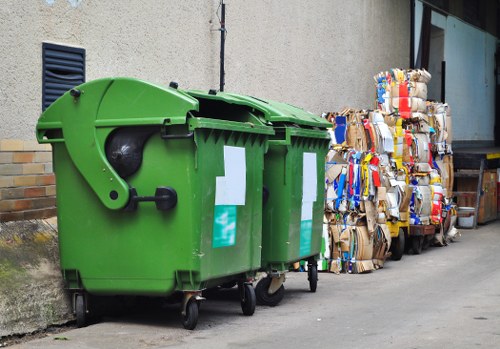
Waste clearance is not only about lifting items away; it is also about deciding what happens next. Good disposal practice depends on the material, its condition and whether any of it can be recycled or reused. Mixed loads may contain furniture, electrical items, metal, wood, cardboard, textiles and general rubbish, each of which may follow a different route after collection. A sensible service keeps that sorting as clear as possible.
For customers who want to understand disposal routes a little better, the most relevant pages are waste disposal, recycling and rubbish, waste recycling and recycling and sustainability. These pages sit alongside the practical collection services and reflect the need to manage waste in a way that suits the item type rather than treating everything as identical. For example, electrical goods and bulky furniture may need different handling from bagged household rubbish.
If you want to help the process, keep the focus on factual details rather than long explanations. A short list of the main items, whether they are inside or outside, and any relevant access issue is usually enough. Accurate information makes pricing clearer, because the work is affected by the amount, weight and sort of waste involved as well as the time needed to collect it safely.
How quotations are usually worked out
Quotation requests for waste clearance are generally shaped by a few straightforward factors. The volume of waste, the kind of material, the ease of access and whether the clearance is from a single room or an entire property all matter. A small amount of light rubbish is very different from a collection that includes heavy furniture, appliances or mixed contents spread across several levels. The more precise the description, the more useful the quotation.
Our pricing and enquiry information can be reviewed alongside pricing and quotes, while practical and process-related details are set out on contact us. These pages are there to support a straightforward enquiry, especially when the job is unusual or the access is not simple. If you are comparing services, it can help to note whether the work is a one-off clearance, a bulky item collection or a larger property job.
Try to group related items together when describing the work: soft furnishings, white goods, bags of rubbish, garden waste or office contents. That structure helps avoid confusion and makes it easier to match the right service to the job. A brief message is usually enough to begin, and there is no need to overcomplicate the request before asking for a quotation.
Service areas and local coverage
Our waste clearance services are organised around London and surrounding locations listed on the site, with area-specific pages that reflect common local searches and service needs. The available pages include central, west, north, east and south London locations, together with nearby districts and towns. That makes it possible to route enquiries more specifically when the customer already knows the area that applies to the property or site.
Examples include London, Waste Clearance Westminster, Waste Clearance Camden, Waste Clearance Fulham and Waste Clearance Wimbledon. There are also pages for places beyond the city, such as Waste Clearance Watford and Waste Clearance Reading. The purpose of these pages is to make it easier to locate the right service area and match the job to the intended place.
If you are in the process of choosing the best destination page, select the one that matches the property rather than the nearest familiar district. That keeps the enquiry simple and avoids unnecessary back-and-forth. Use the page that reflects where the clearance actually happens, then request a quotation with the items and access details to hand.
About London
London is a large capital city built along the River Thames, with a long history that reaches from Roman Londinium through medieval growth to the modern metropolis seen today. Its form is layered rather than uniform: the historic City of London sits beside Westminster, which became central to government and ceremony, while later expansion carried streets, squares and railways far beyond the old boundaries. The city’s geography is shaped by the Thames bend, bridge crossings and a pattern of districts that developed with trade, administration and transport. Many well-known areas retain strong identities of their own, from the ceremonial and political character of Westminster to the mercantile roots of the docklands and riverside communities. The skyline combines church towers, terraces, civic buildings, museums and newer tall structures, while parks such as Hyde Park, Regent’s Park and Hampstead Heath provide extensive open space within the urban fabric. London also contains major cultural institutions, theatres, markets and galleries, and its street pattern often reveals older lanes beside wider Victorian and modern roads. Transport links, from the Underground to suburban rail and river services, connect a city that is at once concentrated and widely spread.
Waste clearance for different property types

Different properties create different clearance conditions, so the same service has to be adaptable. A compact flat may involve narrow stair access and limited parking, while a house may require moving items from loft, garden or basement areas. Commercial premises can add loading restrictions, shared entrances and the need to work around other occupiers. The underlying task is the same, but the method changes to suit the layout and the waste involved.
That is why the site includes a range of relevant pages such as home clearance, office clearance, garage clearance, loft clearance and garden clearance. Each of these describes a different setting where waste may build up or where a larger removal is needed. Choosing the right page can make it easier to describe the job in the correct terms before asking for a quotation.
If you are unsure which route fits best, begin with the main category that matches the property and then mention any extra items in the enquiry. You can keep the request short and factual: what needs removing, where it is located and how it can be accessed. That is usually enough to get the process moving.
Practical next steps for a waste clearance enquiry
Before asking for a quotation, it is sensible to think through a few practical points. Decide which items are definitely going, which ones may stay and whether any objects are especially heavy, fragile or awkward to move. If the clearance involves mixed materials, try to separate the obvious categories in your mind: furniture, electricals, household rubbish, garden waste or office contents. That makes the initial enquiry easier to understand and helps keep the job well scoped.
A clear request does not need to be long. A short description, the type of property and any access limits are usually sufficient to begin. If the job sits somewhere between categories, such as a flat clearance with several bulky items or an office clearance that includes furniture and general rubbish, say so directly. For the final step, please request a quotation through contact us and include the details that matter most to the clearance.
If you are ready to move ahead, ask for a quote and send the key facts in one message. We can then respond with the most suitable service approach for the work in question. There is no need to overprepare; just provide enough information for the clearance to be assessed properly and the next step to be arranged.