Waste Clearance: Recycling and Sustainability
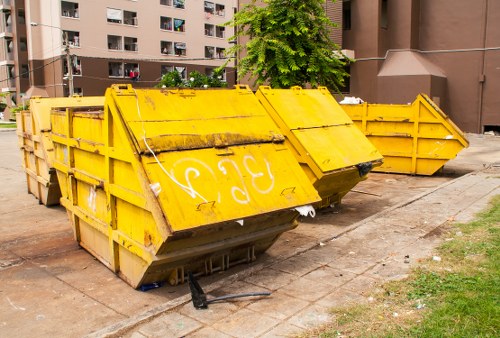 At the heart of our waste clearance and environmental mission is a clear, measurable recycling percentage target: we aim to reach a 65% recycling rate by 2030 across our operating area. This commitment underpins every part of our refuse collection and waste removal operations, from household rubbish clearance to commercial waste collection contracts. Our sustainable approach balances practical service delivery with ambitious environmental outcomes, ensuring that materials are diverted from landfill whenever possible.
We work closely with local authorities and communities to respect each borough's approach to waste separation — for example, kerbside collection schemes that separate food waste, paper and card, glass, mixed recycling and residual waste. By aligning our rubbish clearance routes with municipal calendars and educational campaigns, we support consistent sorting at source which significantly increases the quality of material sent to recycling facilities.
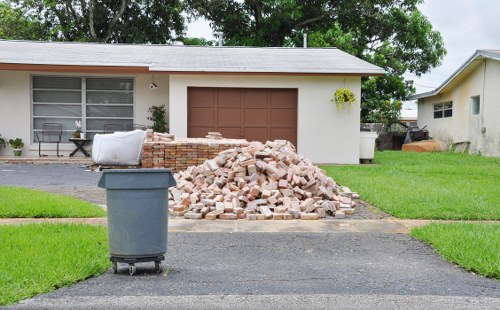 Local transfer stations and material recovery centres are central to how we operate. Our network includes strategically located transfer depots where collected loads are consolidated, pre-sorted and sent on to specialist processors. Key services and partners include:
- Local transfer stations for consolidation and onward transport
- Material recovery facilities (MRFs) for sorting mixed recycling
- Specialist e-waste processors for small appliances and electricals
- Organic waste facilities for food and green waste composting
Partnerships with Charities and Community Reuse
Our charity partnerships are a key pillar of circular resource use. Instead of sending reusable items to landfill, our teams route suitable furniture, clothing and household items to vetted local charities and social enterprises. This approach supports vulnerable communities while extending the life of goods, a core aim of our waste removal programmes. We coordinate logistics so donated items are handled safely and responsibly, and we prioritise reuse before recycling when condition allows.
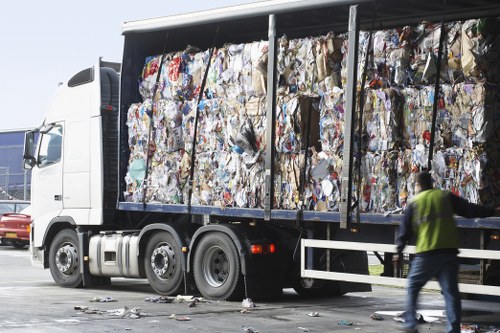 We also collaborate with repair networks and community reuse projects to encourage refurbishment of white goods and electronics. By diverting functional items to repair and resale channels we reduce the need for new production, cutting embedded carbon. Our partnerships include bulk donation days with borough-run schemes, scheduled pickups for charity collections and direct deliveries to community hubs that redistribute items locally.
Every partnership is monitored with sustainability metrics: tonnage diverted, estimated carbon avoided and the social impact of donations. These figures feed into our reporting and help shape continuous improvement in our rubbish collection and recycling services. We publish aggregate numbers on material recovery and reuse rates to maintain transparency with local stakeholders.
Low-Carbon Vans, Fleet Electrification and Local Compliance
Transitioning to a low-emission fleet is vital to reduce the carbon footprint of waste collection operations. Our garbage collection and bulky waste clearance vehicles are being upgraded to low-carbon vans and electric or hybrid collection trucks where route density and depot charging infrastructure allow. Using quieter, cleaner vehicles lessens local air pollution and supports borough sustainability plans that often set emissions reduction targets for municipal services.
 Operational efficiencies complement vehicle upgrades: route optimisation, load consolidation at transfer stations, and coordinated pickups with charity partners reduce unnecessary mileage. We use telematics to monitor fuel use and emissions in real time and apply data-driven route planning so our waste collection service becomes both greener and more reliable. These practical measures help us meet the 65% recycling target while lowering operational emissions.
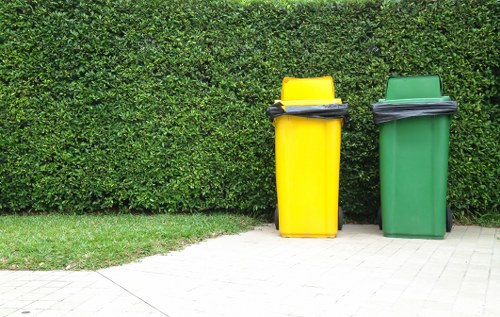 Our approach also recognises the importance of specific types of recycling activity in urban areas — from separate collection of food waste for anaerobic digestion to targeted schemes for textiles and small WEEE (waste electrical and electronic equipment). We support borough-level separation initiatives such as three-bin systems, fortnightly mixed recycling and regular bulky item pickups, ensuring that residents and businesses have access to efficient, compliant options for disposing of excess materials.
Summary of commitments:
- 65% recycling target by 2030
- Strategic use of local transfer stations and MRFs
- Strong partnerships with charities and reuse networks
- Investment in low-carbon vans and fleet electrification
- Alignment with borough waste separation schemes and regulations
By combining targeted recycling goals, smart logistics, charity partnerships and low-emission vehicles, our waste clearance and rubbish removal services deliver practical sustainability. We advocate for consistent household sorting, support community reuse, and continuously invest in technologies and partnerships that advance the circular economy in the areas we serve. Together with local authorities and residents, we aim to keep more materials in productive use and build a resilient, low-carbon future for waste management.