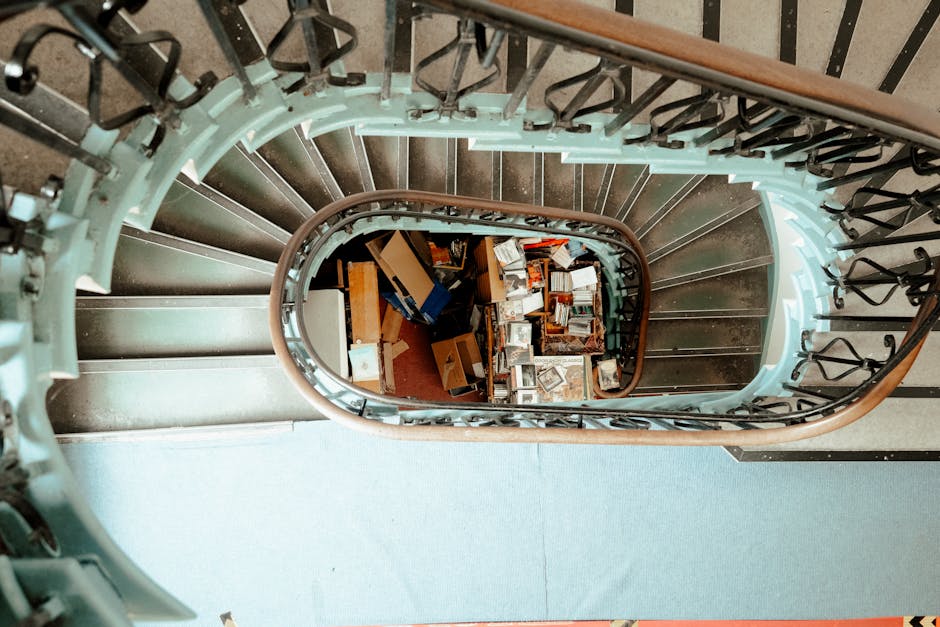
Shoreditch flat rubbish clearance for tight staircases: a practical guide for awkward homes and busy moves
If you live in Shoreditch, you probably already know the charm comes with quirks: narrow stairwells, compact landings, steep turns, and the occasional door that only opens if you angle it just right. That is exactly why Shoreditch flat rubbish clearance for tight staircases needs a different approach from a standard house clearance. A big sofa, a broken wardrobe, or even a few bags of mixed clutter can become a proper headache when the route out is tighter than the item itself.
This guide breaks down how the process works, what makes it safer and faster, and how to avoid the common mistakes that turn a quick clearance into a stressful half-day. You will also find practical advice on access planning, compliance, and choosing the right method for your flat. Let's face it, nobody wants rubbish stuck halfway on the stairs while neighbours are trying to get past.
Why Shoreditch flat rubbish clearance for tight staircases Matters
Shoreditch properties often sit in older conversions, mansion blocks, warehouse-style apartments, or compact newer builds where access was never designed with bulky waste in mind. A clearance job can look simple from the street and then get awkward the second a mattress meets a sharp corner or a chest of drawers refuses to clear the banister. That is the real reason access matters so much.
When clearance is planned properly, you reduce the chance of damage to walls, banisters, lifts, and floor coverings. You also protect yourself and anyone helping you carry items. In a narrow stairwell, even a small misjudgment can mean a scrape, a back strain, or an item wedged so tightly it has to be re-angled three times. Not ideal. And in busy parts of Shoreditch, that can also mean delaying neighbours, causing noise, or blocking shared entrances for longer than necessary.
There is also the time factor. Tight staircases often slow down the entire job, especially if items need to be dismantled or carried one at a time. A thoughtful clearance plan saves more time than brute force ever will. That is a useful rule in life generally, not just rubbish removal.
Key takeaway: If access is awkward, the best clearance is the one planned around the staircase, not around the item. Measure first, decide the route, then move.
How Shoreditch flat rubbish clearance for tight staircases Works
A proper flat clearance in a tight stairwell starts before anything is lifted. The team or homeowner should look at the type of waste, the building layout, the width of the stairwell, and whether items need to be taken apart. In Shoreditch, this matters because buildings can vary wildly from one street to the next. One flat may have generous hallways and a service lift; the next may have a twisting stair with barely enough room to turn a sofa. Same postcode, very different experience.
In practice, the process usually follows a clear flow:
- Initial assessment: identify the items, the route out, and any pinch points such as narrow turns, low ceilings, or tight front doors.
- Access planning: decide whether items can be moved intact, tipped safely, or dismantled first.
- Protection setup: use blankets, gloves, straps, and, where needed, floor or wall protection to minimise damage.
- Careful removal: carry items in a controlled way, keeping communication clear on the stairs.
- Sorting and disposal: separate reusable, recyclable, and general waste so the load is handled properly.
For smaller clearances, the job might be straightforward. For larger loads, it can help to stagger the work: bulky items first, then bagged waste, then the final sweep. That sequence avoids clutter building up in the hallway like a badly planned game of Tetris.
If you are comparing services, useful related pages include flat clearance, rubbish removal, and waste clearance. Those pages help explain the broader service options, while this guide focuses on the access challenges specific to Shoreditch staircases.
What makes tight staircases different?
The difference is not just size. It is the combination of angles, corners, fixtures, shared access, and momentum. A wide item can be moved through a space if you can pivot it. A narrow staircase often removes that option. Add old plaster walls, polished wooden bannisters, or a landlord who definitely notices scuffs, and the margin for error gets tiny.
You also tend to deal with more than one obstacle at once: a bike on the landing, a door that swings into the route, a neighbour's plant pot, or a fire door that must stay closed. These little details are what professionals watch for first. The rubbish is only part of the story.
Key Benefits and Practical Advantages
The biggest benefit of an experienced clearance approach is simple: less stress. But there are several other advantages that matter just as much in Shoreditch, especially if you live in a managed building or are trying to clear a flat between tenancies.
- Lower risk of damage: careful handling helps avoid marks on walls, stair rails, and door frames.
- Faster removal: items are planned out in the correct order, which reduces stop-start carrying.
- Safer lifting: awkward objects are handled with better balance and fewer rushed turns.
- Cleaner communal areas: a well-organised job leaves less mess in shared hallways.
- Better recycling outcomes: sorting materials properly makes it easier to divert usable items from disposal.
There is also a very practical emotional benefit. You look at a cluttered flat differently once the bulky stuff is gone. The room feels bigger, brighter, less heavy. You can almost hear the echo change, which sounds dramatic, but you know what I mean if you have ever cleared a packed-up room on a grey London afternoon.
If the clearance includes bulky furniture, these related services can be useful: furniture clearance, sofa removal and collection, and mattress removal and collection. They are especially relevant when the staircase is tight and the item size is the main challenge.
Who This Is For and When It Makes Sense
Shoreditch flat rubbish clearance for tight staircases makes sense for anyone dealing with bulky or awkward waste in a building that is not easy to access. That might be a top-floor studio with one narrow staircase, a converted warehouse flat with mezzanine steps, or a shared property where everything has to pass through a cramped communal hall. Different setting, same problem.
This service is especially useful if you are:
- moving out of a flat and need everything cleared quickly
- dealing with a sofa, bed base, wardrobe, or other large furniture
- clearing landlord or tenant waste after a changeover
- managing a renovation with old items and packaging to remove
- sorting a probate, hoarder, or end-of-tenancy clearance with limited access
- trying to avoid leaving items outside on the pavement for too long
Sometimes people assume they can just "get it down the stairs somehow". Maybe. But if the item catches the banister halfway down, that optimism disappears pretty quickly. If the space is tight, it is usually better to plan the clearance around the route than to hope the route will magically cooperate.
For larger or mixed loads, pages such as bulk waste collection, bulky waste collection, and large item collection may also be relevant depending on what needs to go.
Step-by-Step Guidance
Here is a simple, realistic way to approach a tricky flat clearance in Shoreditch without turning the hallway into a battlefield.
1. Walk the route first
Before moving anything, check the route from the flat to the street or loading point. Look at stair width, ceiling height, turns, landing space, door handles, and any obstructions. If the item is taller, wider, or heavier than it looks on paper, factor that in now, not halfway down the stairs.
2. Separate the waste by type
Group items into furniture, bagged rubbish, electronics, metal, mattresses, and anything that may need special handling. A fridge, for example, is a very different job from a bag of household clutter. Keeping the streams separate saves time and supports better disposal.
3. Measure bulky items
Measure the widest points of sofas, wardrobes, tables, bed frames, and appliances. Compare those measurements with the tightest parts of the staircase. Even a quick tape measure check can tell you whether an item can be carried whole or should be dismantled first.
4. Clear the corridor and landing
Remove anything that could snag, trip, or block the team. Shoes, bins, coats, small tables, loose rugs - all of it. You want a clean run. No drama on the stairs, if possible.
5. Protect the property
Use blankets or padding where needed. In buildings with painted walls or narrow bannisters, a small layer of protection is worth it. One careless scrape can be more annoying than the clearance itself, and usually costlier to deal with afterwards.
6. Lift with communication, not guesswork
On a narrow staircase, carrying bulky waste is about coordination. One person leads, one steadies, and both keep speaking. "Stop", "tilt", "hold" - simple words work best. Fancy vocabulary is not needed at this stage.
7. Finish with a proper sweep
Once the items are out, check for screws, splinters, broken bits of packaging, or dust that has dropped onto the stairs. A tidy finish matters. It is one of those things neighbours and managing agents notice quickly.
Expert Tips for Better Results
In our experience, the best clearances are rarely the fastest on paper; they are the most deliberate. That sounds a bit unglamorous, but it works.
- Break items down whenever possible. Flat-pack furniture, bed frames, and some wardrobes are often easier to move in pieces.
- Take photos before you start. A quick record of item placement and access points can help you plan and avoid missed steps.
- Use the widest turn, not the shortest route. Sometimes a slightly longer path inside the flat creates a better angle for the staircase.
- Keep heavy items low and controlled. One awkward pause on a stair landing is better than rushing and slipping.
- Schedule around neighbours if you can. Early mornings can be quieter, but only if the building rules and local noise expectations allow it.
Here is a small one that people forget: check where the final load will be placed outside. If the pavement is narrow or the road is busy, the team may need to stage items in sections rather than leaving everything near the entrance. Common sense, yes - but it gets overlooked a lot.
For broader planning, it can help to read about furniture removal and collection and recycling and sustainability. Those pages give useful context on what happens after the clearance is complete.
Common Mistakes to Avoid
These are the errors that cause most of the avoidable frustration.
- Not measuring first: people often assume the item will "just fit". That is hopeful, not helpful.
- Forcing furniture around corners: if an item is wedged, stop. Forcing it can damage the staircase and the item.
- Leaving packaging and screws behind: small debris becomes a trip hazard fast.
- Using too many people in a tight space: more hands can mean more confusion on cramped stairs.
- Ignoring building rules: some blocks have quiet hours, lift restrictions, or access procedures that need respect.
- Mixing waste types together: mixed loads can slow down disposal and make sorting harder later.
Another common mistake is trying to do the whole job in one go without planning a break point. If you have a very full flat, a better approach is often to remove the biggest obstacles first, then return for the smaller items. It keeps the route clearer and the mood calmer. Which is handy, because nobody enjoys carrying a wardrobe while also arguing with a stair corner.
Tools, Resources and Recommendations
You do not need a huge toolkit for a straightforward clearance, but the right basics make awkward access much safer.
| Tool or resource | Why it helps | Best use |
|---|---|---|
| Measuring tape | Checks widths, heights, and corner clearance | Planning whether items will fit intact |
| Work gloves | Improves grip and helps with rough edges | Lifting boxes, frames, and broken items |
| Straps or lifting aids | Helps balance heavier loads | Moving bulky items in shared stairwells |
| Protective blankets | Reduces knocks and scrapes | Furniture and painted surfaces |
| Heavy-duty sacks | Keeps loose rubbish contained | Mixed waste, soft furnishings, clutter |
If you are comparing broader waste solutions, you may also find these useful: waste collection, rubbish collection, and council large item collection. They are not the same as a tailored staircase clearance, but they help you compare options before booking.
One practical recommendation: keep a quick note of item sizes and access issues on your phone. If you speak to a clearance team later, you can describe the job clearly instead of trying to remember, "the thing by the window was sort of big, I think." We have all done it.
Law, Compliance, Standards, and Best Practice
For waste clearance in London, the basic principle is simple: waste must be handled responsibly and passed to an appropriate facility or route. You do not need to know every technical detail to organise a legal and sensible clearance, but you do need to avoid fly-tipping, unsafe handling, and misuse of communal areas.
Best practice usually includes:
- using a service that follows proper waste handling processes
- sorting recyclable items where practical
- avoiding obstruction of shared hallways, exits, and pavements
- taking care with hazardous or specialist items
- keeping any required access permissions in place for flats, estates, or managed buildings
If you are handling white goods, refrigeration units, or electrical equipment, extra care is sensible because those items may require specific disposal methods. The same goes for anything that could leak, break, or pose a manual handling risk. Best practice is often just thoughtful practice, really.
There is also the question of insurance and safety. If you are hiring help, it is wise to understand how the team approaches lifting, property protection, and damage prevention. A clear policy and sensible handling methods are reassuring signs. You can also review insurance and safety and health and safety policy to understand how a responsible operator should think about risk. For pricing and payment expectations, see pricing and quotes and payment and security.
Options, Methods, or Comparison Table
When you need rubbish cleared from a Shoreditch flat with tight stairs, you usually have three broad options. Each works in different situations.
| Option | Best for | Pros | Trade-offs |
|---|---|---|---|
| DIY clearance | Small loads, light bags, low-risk access | Flexible timing, lower direct cost | Hard work, lifting risk, slower with bulky items |
| Council collection | Limited bulky items where timing is flexible | Useful for some household waste | May involve waiting, item restrictions, and access limits |
| Private flat clearance | Bulky furniture, tight staircases, mixed waste, time-sensitive jobs | More efficient, access-aware, usually quicker | Costs vary depending on load, access, and complexity |
For many Shoreditch flats, the private route is chosen because the staircase alone changes the whole job. A "simple" sofa removal is no longer simple if the landing is narrow and the turn is sharp. That is where a service built for access issues becomes worth considering.
Relevant options include home clearance, house clearance, and home clearance when a flat contains a broader mix of items. If the job includes construction debris or strip-out material, builders waste clearance may be the more suitable route.
Case Study or Real-World Example
Picture a top-floor Shoreditch flat in a converted building. The resident needs to clear a three-seater sofa, a bed frame, two mattresses, and six bags of mixed clutter before a handover. The stairwell is narrow, the first landing is tight, and there is a right-angle turn near the entrance door. The sofa looks manageable from the room doorway. Then you line it up with the stairs and realise it needs to pivot more than expected. Classic.
The best approach in that situation is usually to remove the easy items first, clear the route fully, and then decide whether the sofa can be carried intact or needs partial dismantling. Mattresses often move more cleanly than rigid furniture, so they are sometimes taken down first to free up space. Once the bed frame is broken down, the route gets easier. That small order change can save a lot of effort.
In a case like this, a careful clearance team would also protect corners, pause at each landing, and make sure the building entrance stays tidy. The result is less damage, less noise, and fewer complaints from the neighbours downstairs who were trying to enjoy coffee before noon. Fair enough, really.
For flat-based moves with furniture, the most relevant supporting services are usually bed disposal, mattress disposal, and sofa removal.
Practical Checklist
Use this checklist before booking or starting a clearance. It keeps things calm and avoids the "we should have checked that earlier" moment.
- Measure the widest items, including arms, legs, and protruding handles.
- Check the narrowest stair width and the tightest turn.
- Identify whether the building has lifts, access codes, or time restrictions.
- Clear hallways, landings, and the front door route.
- Separate furniture, bags, electrical items, and special waste.
- Decide which items need dismantling before moving.
- Protect walls, doors, and bannisters where needed.
- Confirm where items will be staged outside, if staging is necessary.
- Keep pets, children, and non-essential people away from the route.
- Review disposal and recycling expectations for the load.
If you can tick all of those off, you are in a much better position to get the job done smoothly. It is not glamorous, but it works.
Conclusion
Shoreditch flat rubbish clearance for tight staircases is really about preparation, patience, and the right method for the building you are dealing with. Narrow stairs, awkward angles, and shared access can turn a basic clearance into a complex one very quickly, so the smartest approach is to plan around the route, not just the waste.
Whether you are clearing a flat after a move, getting rid of old furniture, or just trying to reclaim a cramped room before the next chapter starts, the aim is the same: make the space safer, clearer, and easier to live in. And honestly, once the bulky items are out, the flat often feels different straight away. Lighter. Calmer. More yours again.
Get a free quote today and see how much you can save.
If you are ready to move forward, choose the option that fits your access, your timeline, and your load. A good clearance should leave you relieved, not rattled, and that is exactly how it ought to be.
Frequently Asked Questions
What makes Shoreditch flat rubbish clearance for tight staircases different from a normal clearance?
The staircase layout changes everything. Narrow turns, steep stairs, shared hallways, and limited landing space mean bulky items may need dismantling or special handling before they can be removed safely.
Can a sofa be removed from a flat with very narrow stairs?
Sometimes yes, sometimes no. It depends on the sofa dimensions, the stair width, and the turning space. In some cases, partial dismantling or an alternative removal route is needed.
Do I need to measure anything before booking?
Yes, ideally. Measure the widest item and the narrowest part of the staircase or hallway. Even rough measurements are helpful and can prevent avoidable surprises on the day.
What items are hardest to remove in tight staircases?
Large sofas, wardrobes, divan bases, heavy mattresses, and appliances are often the most awkward. Rigid items with fixed corners are usually more difficult than soft or flexible waste.
Is it better to dismantle furniture before the clearance?
Usually, yes, if the item is likely to catch on the staircase or corner. Dismantling often makes the job safer and faster, though some items are better left intact if they can be handled cleanly.
How long does a flat clearance usually take in Shoreditch?
That depends on the amount of waste, the access route, and whether bulky items need to be taken apart. Tight staircases almost always add time, so it is best to allow a little more than you think you will need.
Can rubbish be left in the hallway before removal?
It can be, but only if the route remains safe and building rules allow it. Shared areas should not be blocked, and items should not sit where they create a trip hazard or obstruct neighbours.
What should I do with electrical items or white goods?
Keep them separate from general rubbish and make sure they are handled properly. Appliances often need specific disposal methods, especially if they contain refrigerants, wiring, or other components that require care.
Are council collections a good option for bulky flat clearances?
They can be useful for some items, but they are not always the best fit for tight staircases or time-sensitive jobs. A private clearance is often more practical when access is awkward or the load is mixed.
How can I avoid damaging the staircase or walls?
Measure first, clear the route, protect corners, and move slowly with good communication. If an item starts catching or twisting too much, stop and rethink the angle rather than forcing it through.
What if my flat is on an upper floor with no lift?
That is very common in Shoreditch, and it simply means more care is needed. The team should plan for the extra lifting effort, shorter rest breaks, and a more controlled route down the stairs.
What is the best way to prepare for a same-day clearance?
Keep the route clear, separate your waste, confirm the access details, and list the bulkiest items first. A little preparation makes same-day work much smoother and less rushed.
How do I know if a clearance company is a good fit for awkward access?
Look for clear answers about stairs, item sizes, lifting method, waste handling, and property protection. If they ask sensible questions about the route, that is usually a good sign.